
5 Best Natural Substitutes for Locust Bean Gum in Plant-Based Recipes
Locust bean gum is a popular natural thickening and gelling agent — here are five plant-based alternatives.
Read More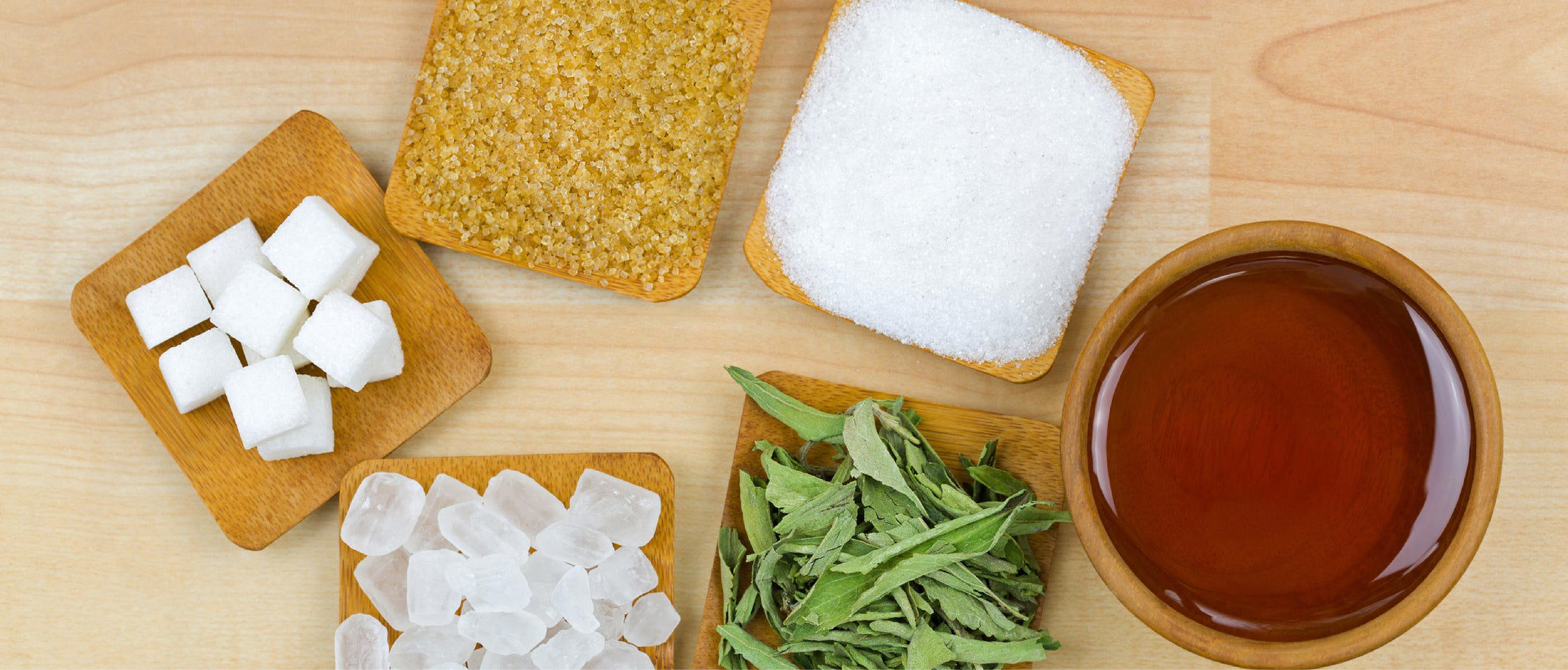
Sugar reduction briefs usually start with high-intensity sweeteners and quickly run into the same two problems: an aftertaste consumers notice, and a hole in the recipe where the sugar used to be. Sugar is not only sweet. It contributes bulk, body, browning and water activity control, and a sweetener that is six hundred times sweeter replaces none of that.
Plant oligosaccharides approach the problem from the other direction.
Oligosaccharides are short chains of sugar units — longer than table sugar, shorter than a polysaccharide. Because of that chain length, the body digests them only partially or not at all, so they contribute far fewer calories than their weight suggests while still behaving like a carbohydrate in the formulation.
Confectionery and chewy formats, where bulk matters as much as sweetness. Dairy and fermented products, where the prebiotic angle fits the positioning. Beverages, bakery, and nutritional powders where a mild sweetness plus fibre-adjacent benefit is more saleable than an artificial sweetener on the ingredient list.
Blend rather than substitute. Most successful reduced-sugar formulations pair an oligosaccharide for bulk with a small amount of a high-intensity sweetener for sweetness, which gets you the profile without the aftertaste.
Watch tolerance. Like any fermentable carbohydrate, oligosaccharides can cause digestive discomfort at high intakes. Work out the inclusion level against a realistic serving size, not the maximum the recipe will carry.
And check labelling rules. How oligosaccharides are declared, and whether they count towards sugars or fibre, varies between markets.
Tell us the application and we will come back within one working day with a sample, the specification and a straight answer on pricing.
Request a PHGG Sample
Locust bean gum is a popular natural thickening and gelling agent — here are five plant-based alternatives.
Read More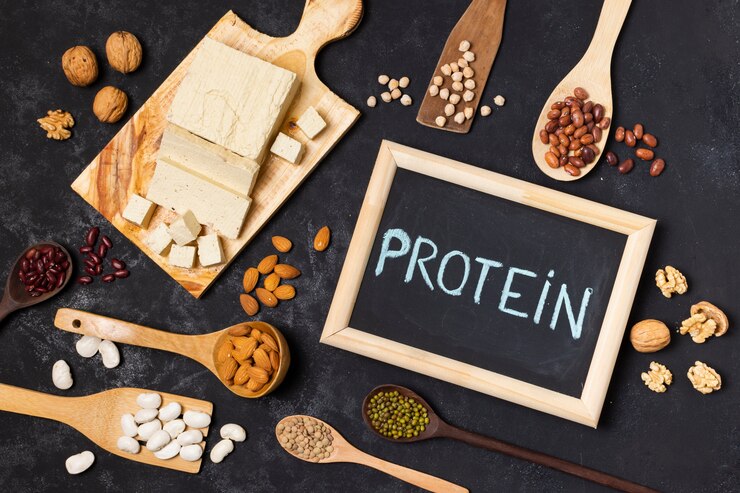
Functional plant proteins are plant-based sources that offer additional health and formulation benefits.
Read More
Plant protein isolate is increasingly recognised as a sustainable alternative to animal-derived protein.
Read More