
5 Best Natural Substitutes for Locust Bean Gum in Plant-Based Recipes
Locust bean gum is a popular natural thickening and gelling agent — here are five plant-based alternatives.
Read More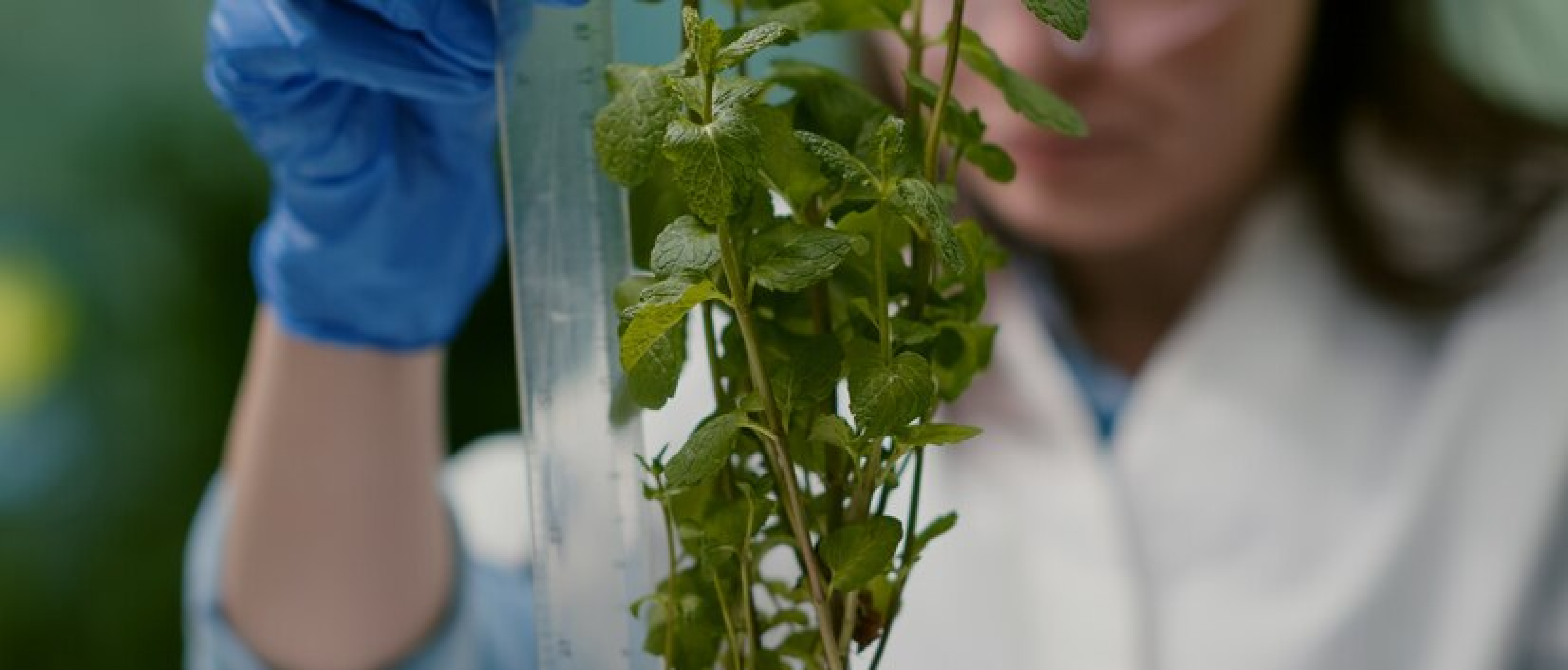
Plant oligosaccharides are one of those ingredients that quietly do several jobs at once — mild sweetness, bulk, humectancy and a prebiotic benefit. That combination means they appear across categories that otherwise have little in common.
This is where the bulking property earns its keep. In chewy sweets, gummies and bars, removing sugar removes structure as well as sweetness. Oligosaccharides restore the body and the chew while keeping calories down, and they hold moisture, which extends softness over shelf life.
In yoghurts and fermented drinks, oligosaccharides pair naturally with the live-cultures positioning — the prebiotic feeds what the probiotic delivers. They also add a gentle sweetness that reduces the added sugar needed to make a tart base palatable.
Soluble, stable and mild in flavour, they work in both clear and opaque drinks. In reduced-sugar beverages they fix the thin, watery mouthfeel that high-intensity sweeteners leave behind, which is usually the reason a reformulated drink fails consumer testing.
Humectancy is the draw. Oligosaccharides hold water, which keeps baked goods soft for longer and reduces staling. They also contribute to browning, though less aggressively than sucrose — worth accounting for when you dial in bake colour.
Both ends of the age range benefit from gut support, and both need it delivered gently. The mild, slow-fermenting profile of plant oligosaccharides suits formats where tolerance is the primary constraint. Infant nutrition is heavily regulated in every market — confirm approval before formulating.
Digestive health is now a mainstream claim in premium pet food, and oligosaccharides deliver prebiotic support in both wet and dry formats without affecting palatability.
Work backwards from a realistic serving. Oligosaccharides are fermentable, and tolerance — not function — is usually what caps the dose. Establish the comfortable level first, then formulate within it.
Tell us the application and we will come back within one working day with a sample, the specification and a straight answer on pricing.
Request a PHGG Sample
Locust bean gum is a popular natural thickening and gelling agent — here are five plant-based alternatives.
Read More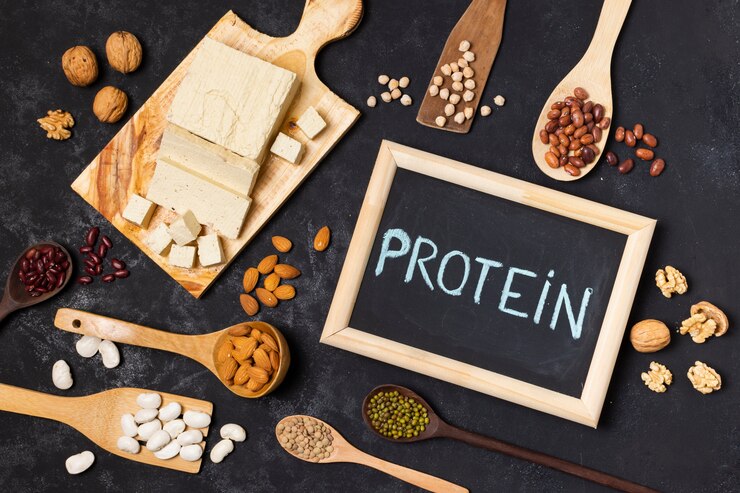
Functional plant proteins are plant-based sources that offer additional health and formulation benefits.
Read More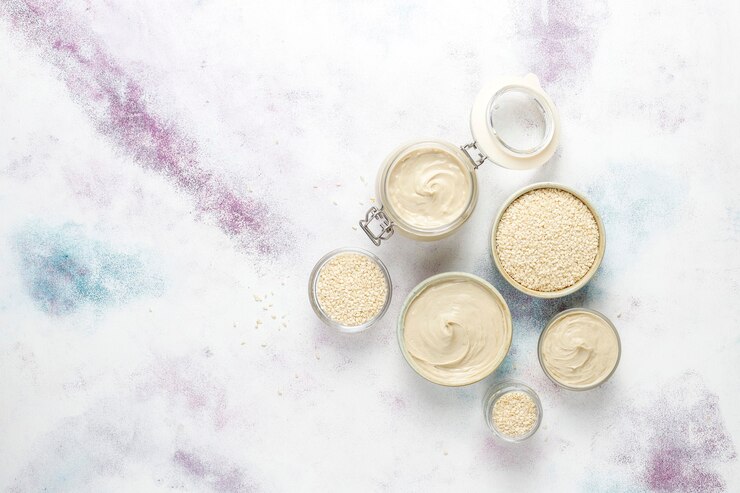
Plant protein isolate is increasingly recognised as a sustainable alternative to animal-derived protein.
Read More